

Path
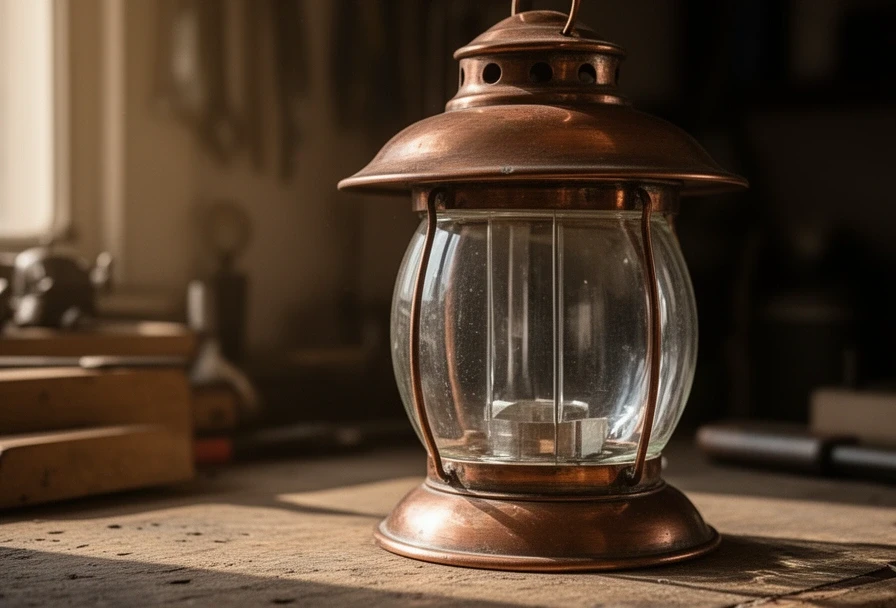
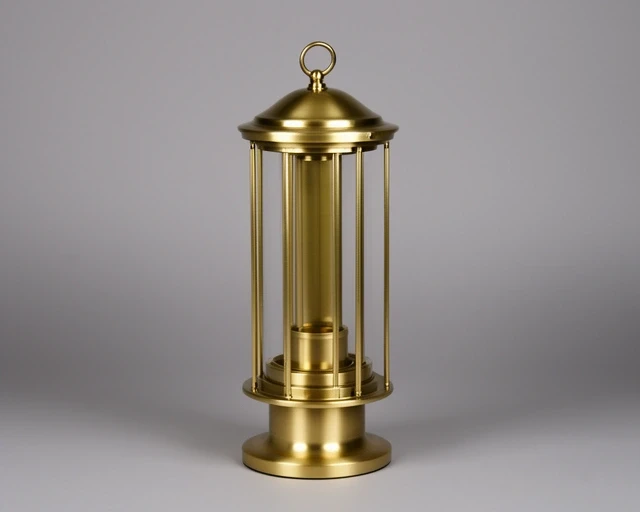
Marsh path lantern
Solid brass, 300 mm tall, 12 V / 3 W warm white. Weathers to a dull bronze in about two winters.
£64.00inc. VAT, per each

We build and rewire low-voltage garden lighting from a yard off Park Lane. Everything on the shelf runs at twelve volts, which means the cable can be pegged under the turf rather than buried in a trench by an electrician. We cut cable to the metre on the bench, we keep the fittings we can still get spares for, and we take old lanterns apart to see whether they are worth saving before quoting for a new one.
Where the lights go
Nine lines, kept because we can still get spares for all of them. Cable is cut on the bench to whatever length you ask for.
Solid brass, 300 mm tall, 12 V / 3 W warm white. Weathers to a dull bronze in about two winters.
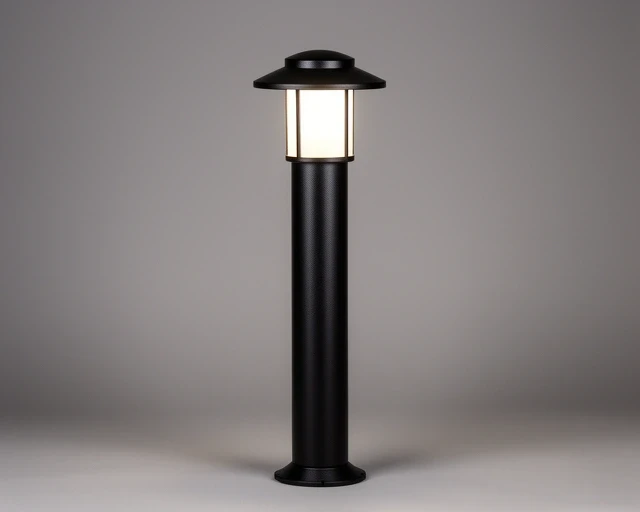
Cast aluminium, powder coated matt black, 380 mm, 3 W. The one most people start with.
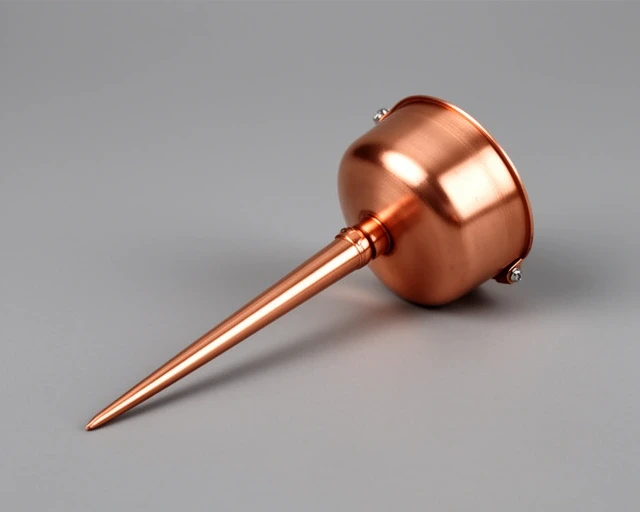
2 W, 30° beam, 400 mm spike. For throwing light up a trunk or a brick wall.
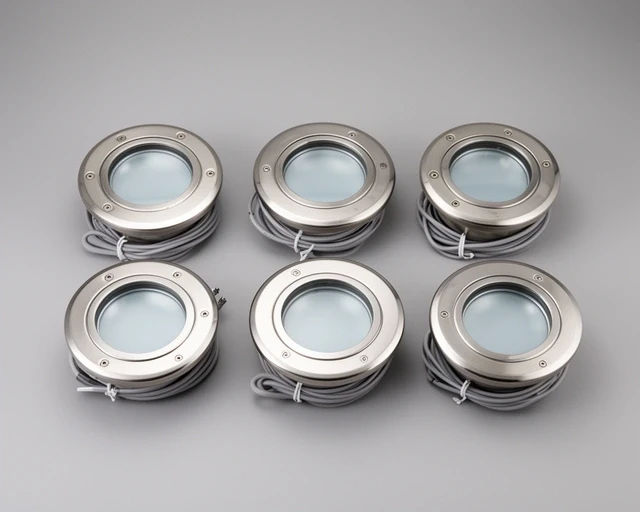
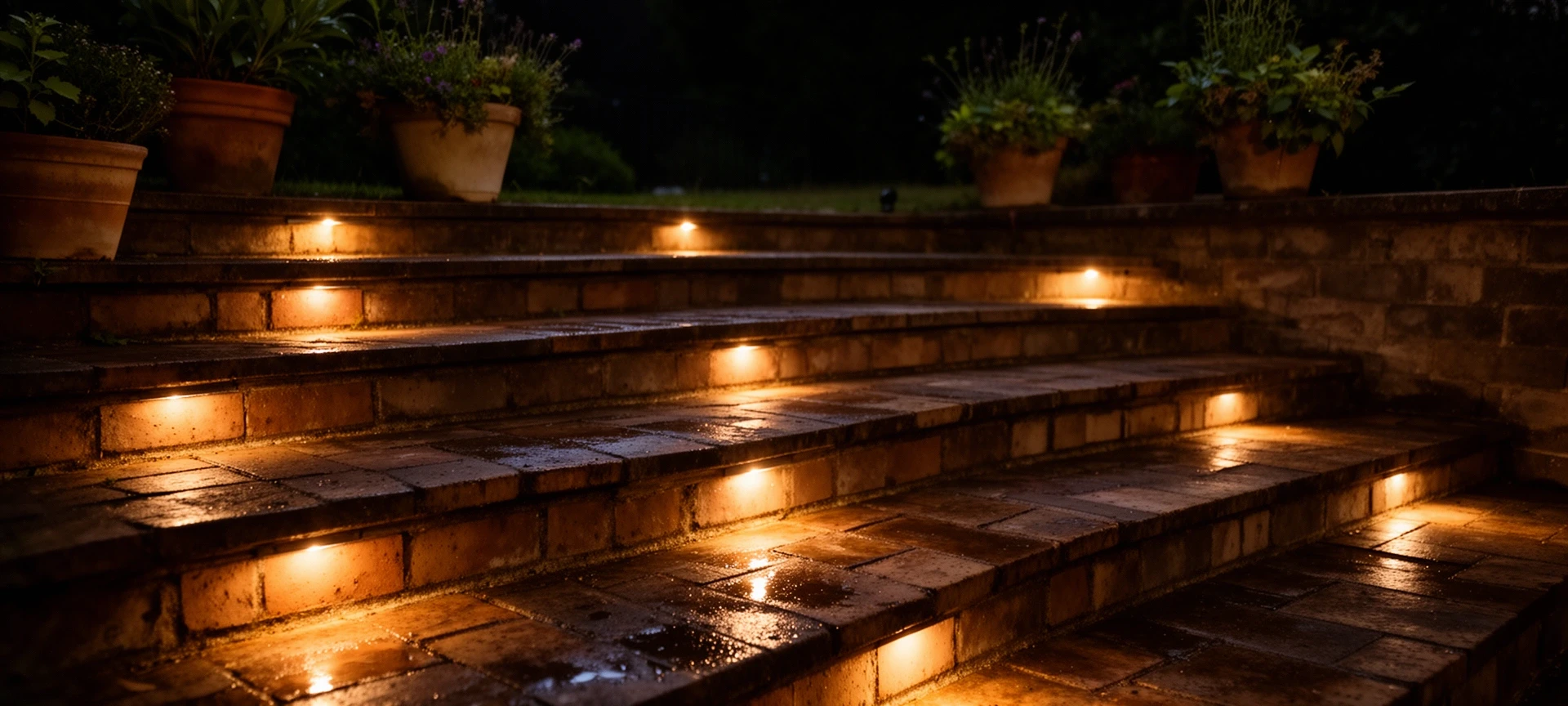
Stainless bezels, 0.6 W each, 60 mm cut-out. Comes with six metres of tail and six connectors.
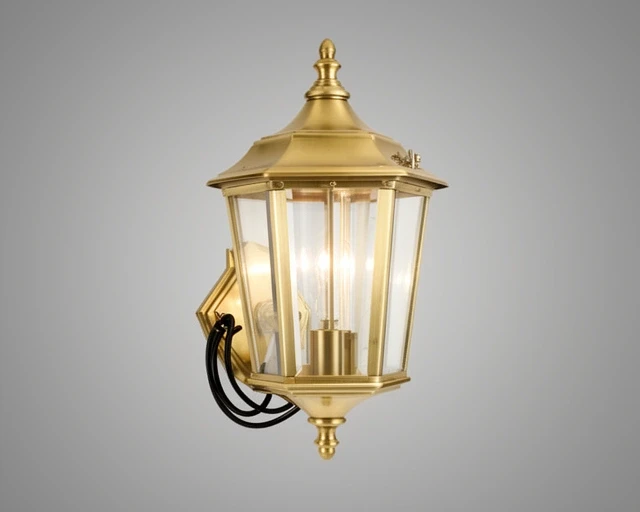
Brass, 340 mm, side entry for the cable so nothing runs across the brick face.
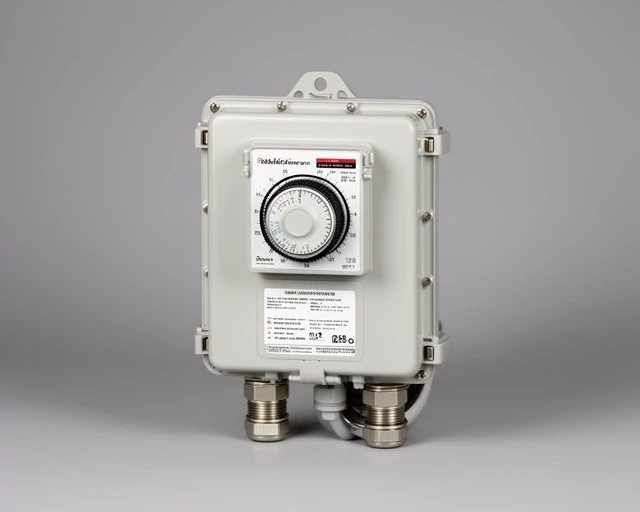
Toroidal, IP44, mechanical timer. Runs about a dozen path lanterns with room left over.
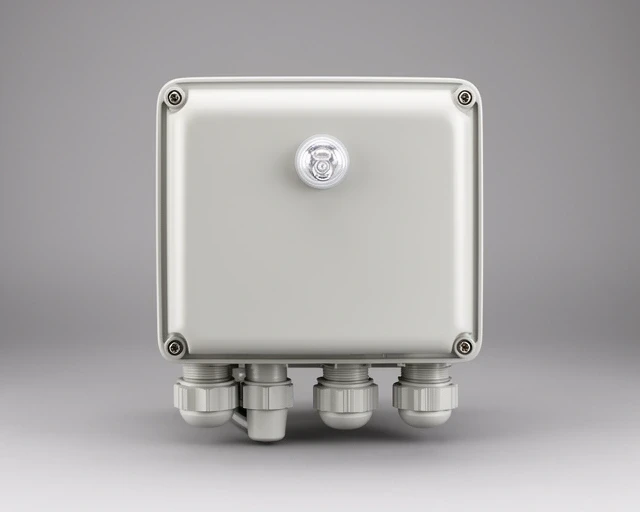
Photocell and timer, two switched outputs. For a garden that gets lit in two halves.
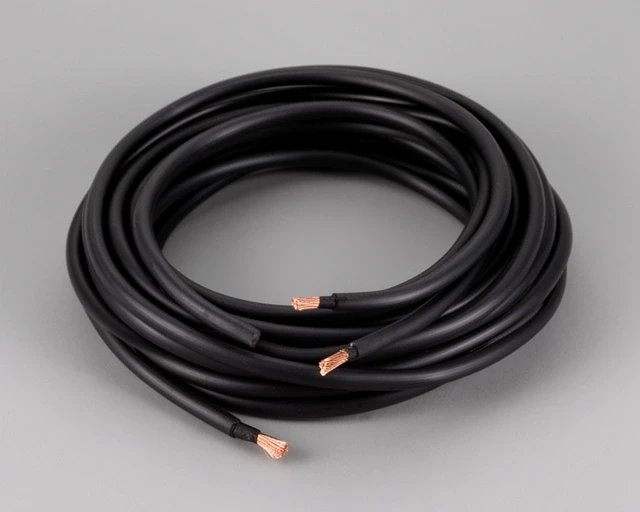
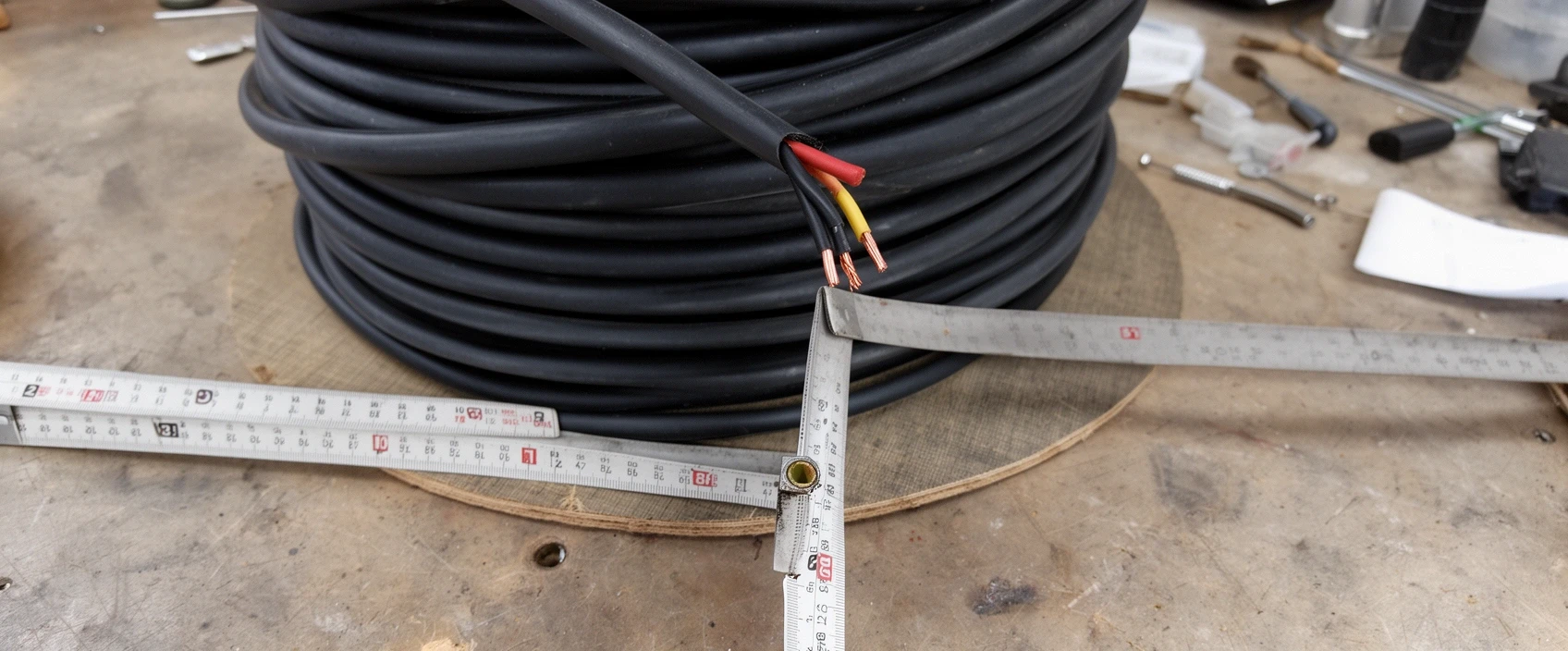
Black rubber sheath, cut on the bench to the metre. Good for runs up to about twenty metres.
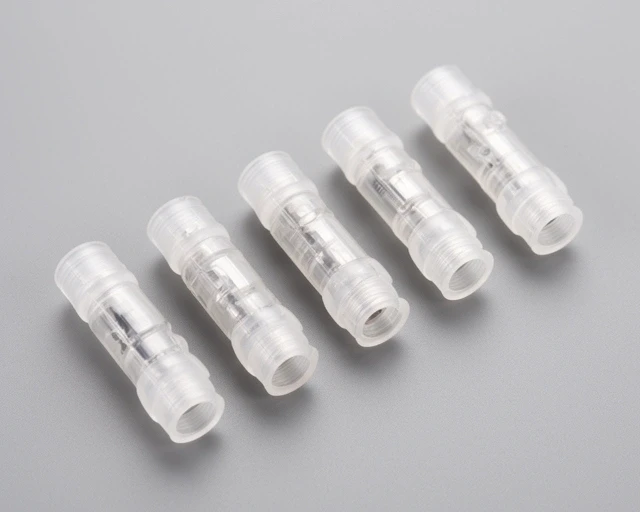
Gel-filled, reusable, no tools. The part people forget and then drive back for.
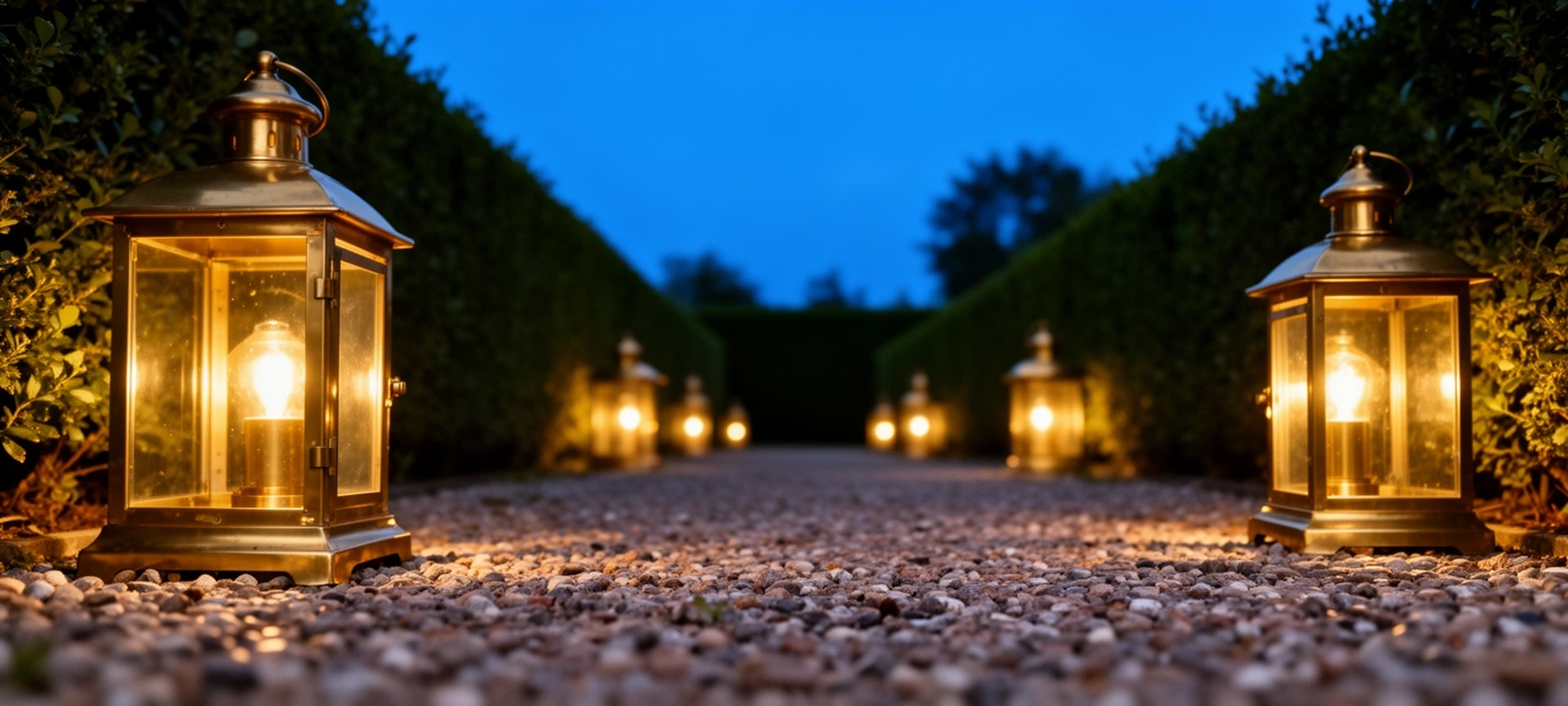
This is a real one from last March, with the name taken off: a fourteen-metre front path in Thorpe St Andrew, brick edging both sides, socket in the porch. It is the shape of about half the jobs we price.
Six lanterns went in at two and a half metres, alternating sides so the light overlaps rather than making two rows. Eighteen watts of load, which is nothing — the 60 watt transformer was chosen for the timer, not the capacity.
The cable is the line people get wrong. Fourteen metres of path needed twenty-two metres of cable once the run back to the porch, the slack at both ends and a loop at each lantern were counted.
Two evenings of work for the owner, mostly cutting the slit. Nothing here needed an electrician, because the porch socket was already there.
| 6 × Cley path lantern3 W each, alternating sides of the path | £288.00 |
| 1 × 60 W transformerwith the mechanical timer | £74.00 |
| 22 m of 2 × 1.5 mm² cable14 m along the path, 5 m back to the porch, the rest in slack and loops | £52.80 |
| 1 × connector pack of fivefour used, one in the drawer for next year | £14.50 |
| Delivery | Free |
| Total, VAT included | £429.30 |
Delivery was free because the order passed £120. Nothing on this list is a bundle or a kit — every line is an item from the shelf above, at the same price you see on it.
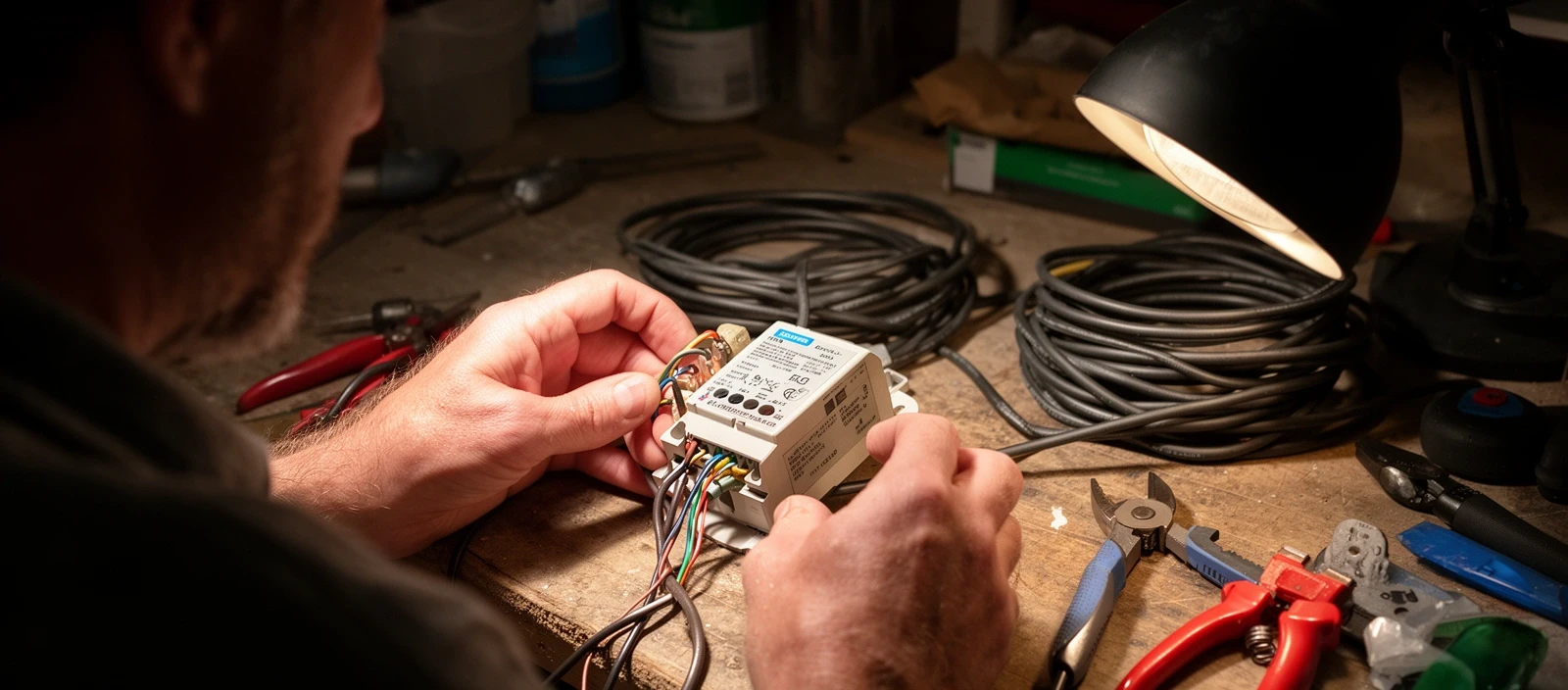
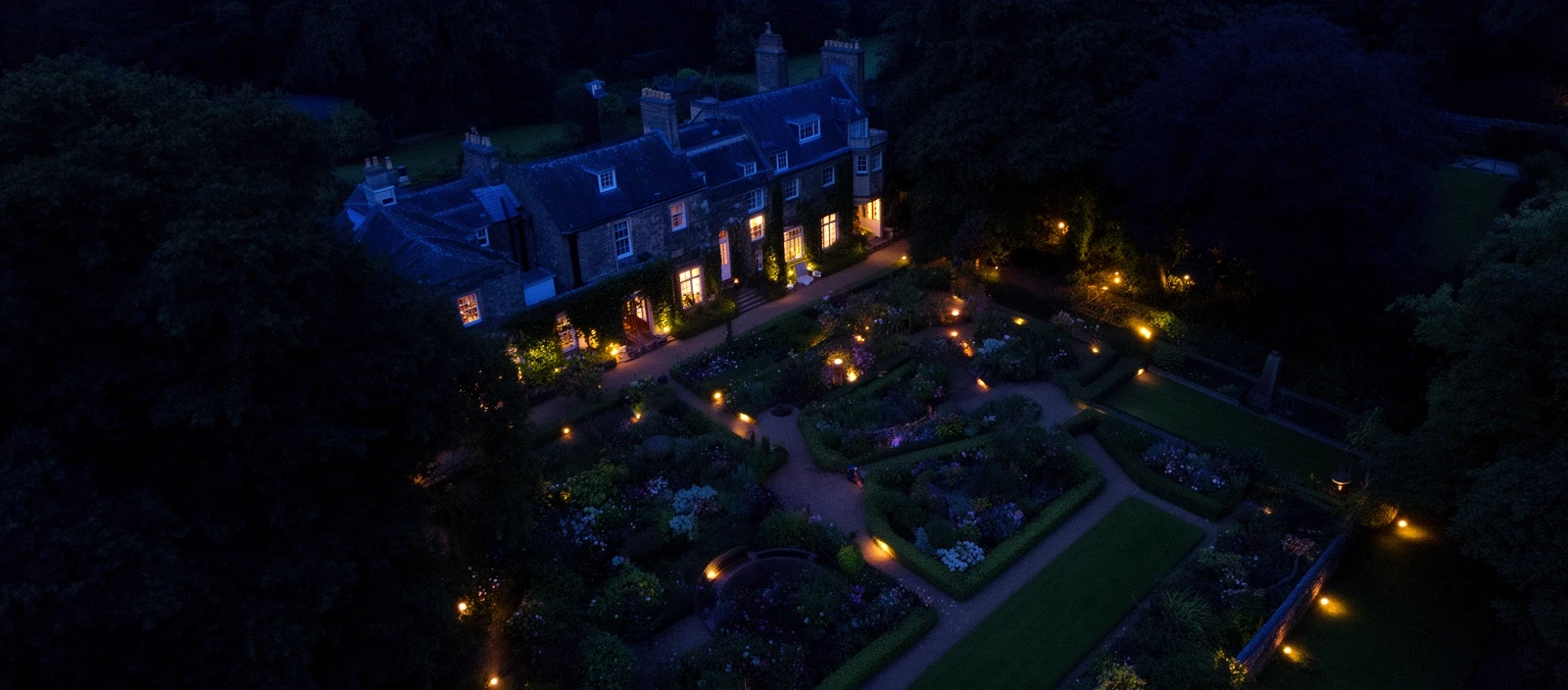
Worth reading before you ring, because a couple of them are the reason people go elsewhere — and that is fine.
They are convincing in July and a disappointment by the middle of October, which is exactly when a path most needs lighting. We would rather not have that conversation in the spring.
Nobody has ever come back for a second one. The app stops being supported, the LED never quite matches the one next to it, and warm white is what people end up leaving it on anyway.
A different trade with different rules. If you want festoon over a terrace, it is a job for an electrician and we will happily say so rather than sell you the wrong thing.
If the board is potted into the body, the day it fails the whole fitting is scrap. Everything we stock can be opened with a screwdriver and re-lamped.
Nine lines on the shelf is not modesty, it is the number we can still source parts for. A tenth would look good on the page and be useless in six years.
We do not fit. We will draw the run, work out the load, cut the cable and answer the phone while you are doing it — but the spade is yours.
Six questions, in roughly the order we get them. The answers are the ones we give on the phone, not shorter versions of them.
Almost certainly. Everything past the transformer is twelve volts, so the cable goes into a slit under the turf and no part of it is notifiable. The one job that is not yours is a new outdoor socket — that is mains work and wants a registered electrician. If you already have a socket in a porch or a shed, there is nothing standing in your way.
Ours tend to run eight to ten years. What usually dies first is the mechanical timer, not the transformer, and on the 150 watt box that is a part we can replace rather than a reason to buy the whole thing again. Keep it out of standing water and off a cold north wall and it will do better than that.
A mower will not touch it once the slit has closed over. A strimmer at a bed edge absolutely will, and that is where nearly every cut cable we are called about happens. Keep the run about a hundred and fifty millimetres in from the edge and put a note on the plan.
No. One 60 watt box runs about a dozen path lanterns with room to spare. The only reason to fit two is a big garden where splitting the load into two runs halves the voltage drop — and then it is two transformers by choice, not by necessity.
Nothing, as long as the cable was laid with slack in it. Frost lifts turf by a surprising amount and a run pegged tight between two points finds its weakest joint and opens it. Leave a gentle loop at every fitting and the ground can move without taking the wiring with it.
We do not install, and we are not going to pretend otherwise to win an order. What we will do is draw the run off your sketch, work out the load, cut the cable to the metre and pick up the phone while you are halfway through it. If you want it fitted, any competent gardener can lay a low-voltage run in an afternoon.
Fill the basket, add the postcode and tell us roughly how far the furthest lantern sits from the house. We come back the same working day with a total, the cable length and whether the transformer you picked is big enough.
Collection from the Park Lane yard is fine if you would rather see the fittings first.